

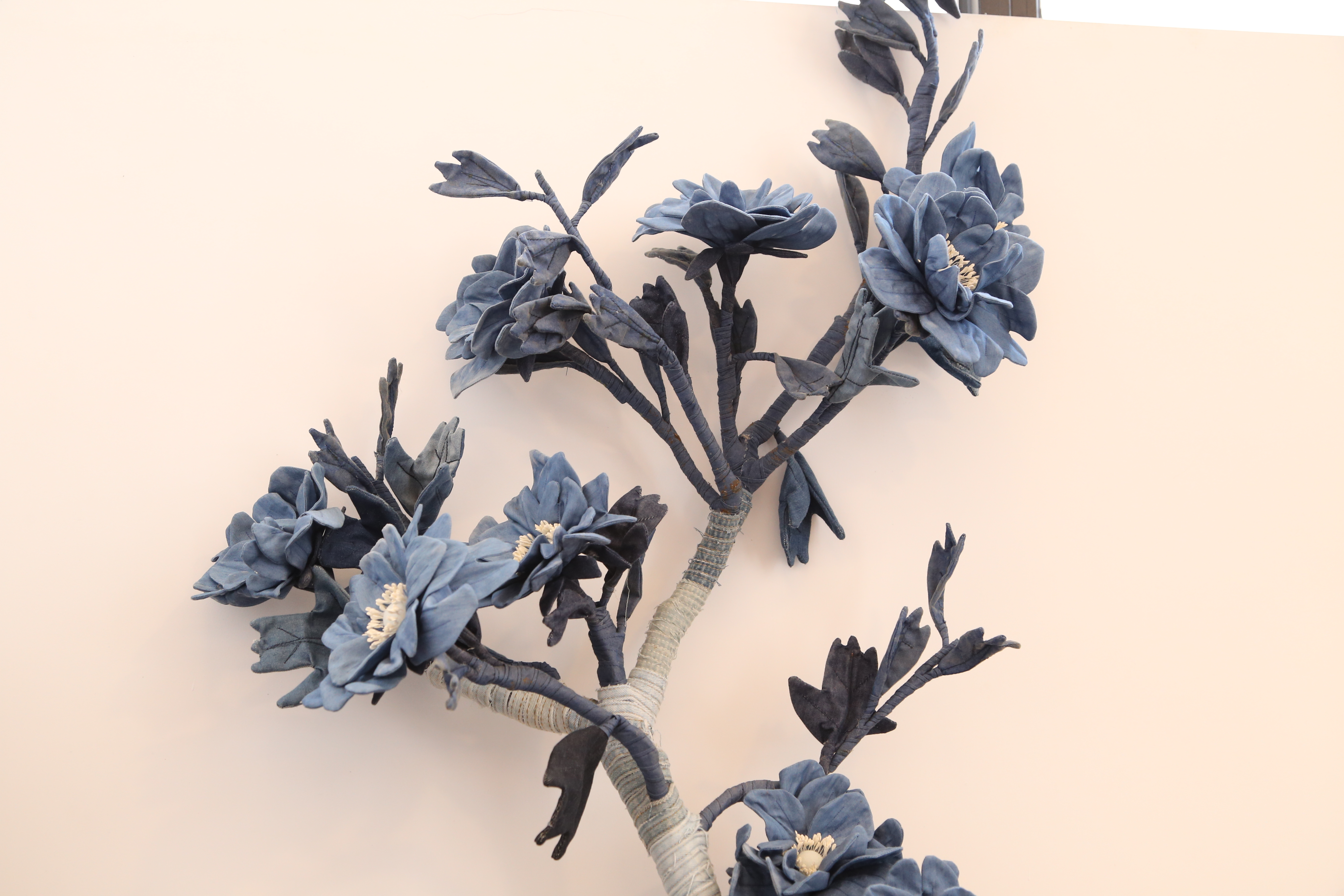
Discover the magic of Tie-dyed Fabric making
How are fabrics with mysterious colors made?
This articles is about tie dye art, learn more here.
Do you kown how are fabrics with mysterious colors made? Our Apripex's product of Handmade DIY flowers are made of tie-dyed fabric.Now let me take you on a journey through the mysteries!
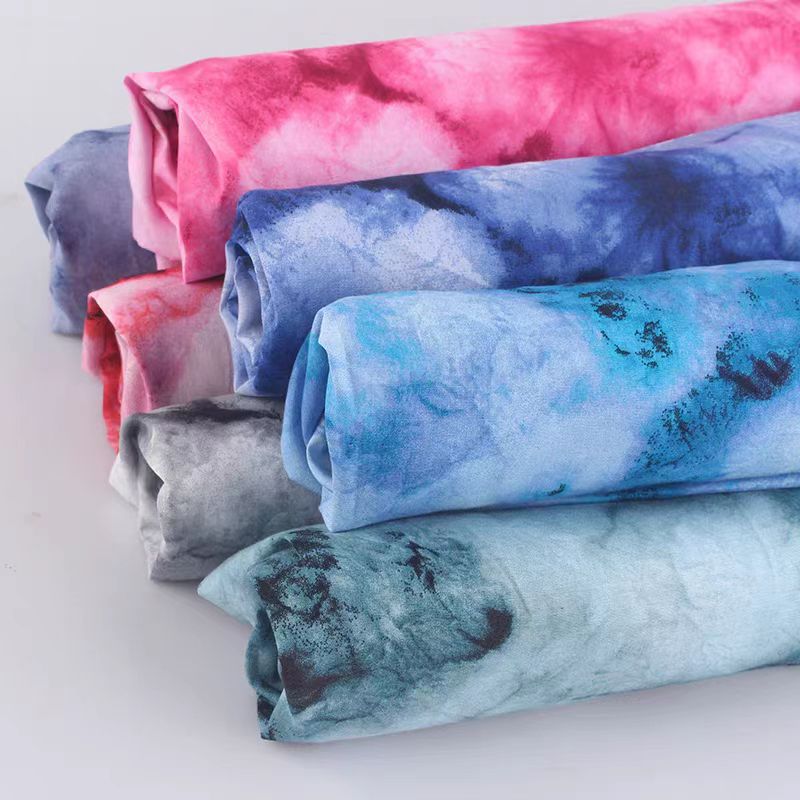
The Art and Process of Making Tie-Dye Fabric
Tie-dye is a vibrant, colorful pattern-making technique that has been celebrated for centuries across various cultures. Its resurgence in modern fashion is a testament to its enduring appeal. This article explores the step-by-step process of creating tie-dye fabric, from preparation to final product, highlighting the materials, techniques, and creativity involved.
Materials Needed
- Fabric: Natural fibers like cotton, silk, or rayon absorb dyes well.
- Dye: Procion MX dyes are popular for their vibrant colors and ease of use.
- Soda Ash Fixer: Helps the dye bond with the fabric.
- Rubber Bands/String: For tying the fabric into patterns.
- Plastic Squeeze Bottles: For applying the dye.
- Gloves: To protect your hands from stains.
- Plastic Table Cover and Ziplock Bags: For protecting your work area and setting the dye.
- Buckets and Water: For soaking and rinsing the fabric.
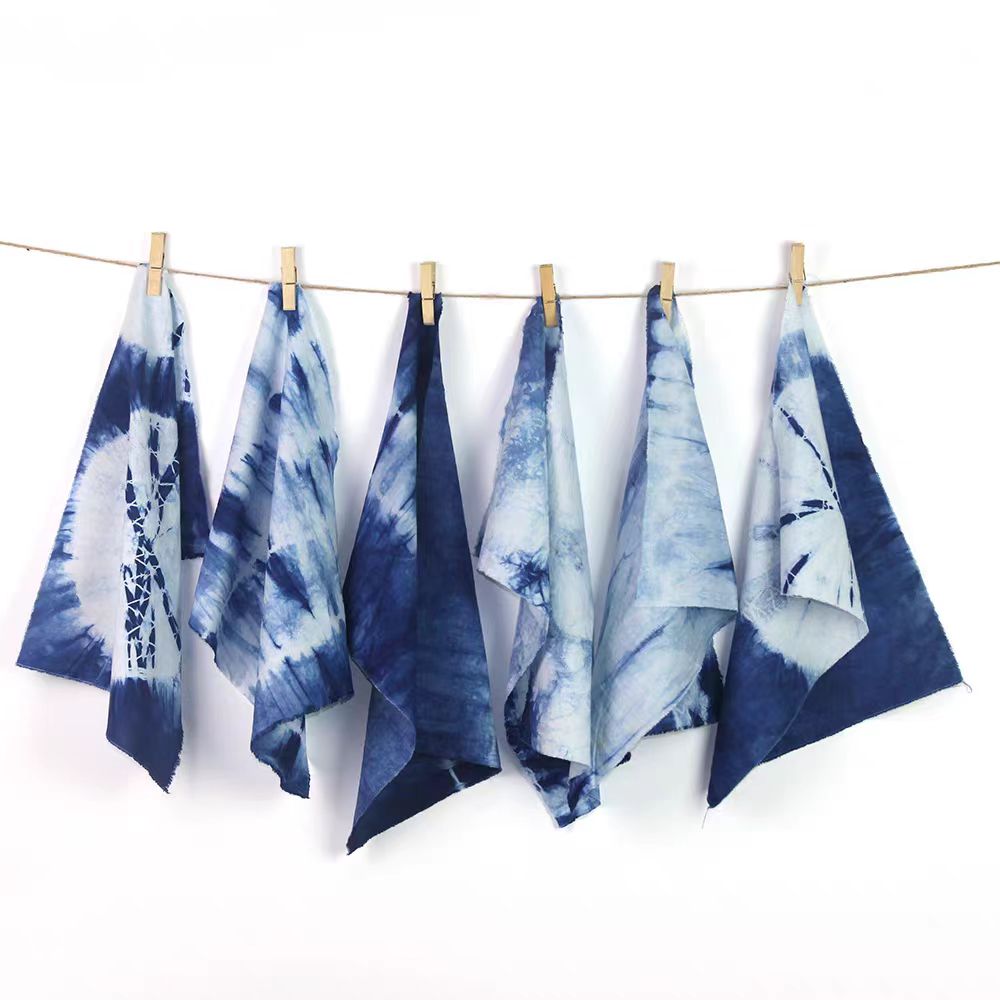
Step-by-Step Process
1. Preparing the Raw Fabric
- Pre-Washing: Wash the fabric to remove any sizing, oils, or dirt that might prevent the dye from fully penetrating.
- Soaking in Soda Ash: Dissolve soda ash in warm water (about 1 cup per gallon). Soak the fabric for at least 20 minutes. Wearing gloves is recommended during this step to avoid skin irritation.
2. Creating Tie-dyed Patterns
-
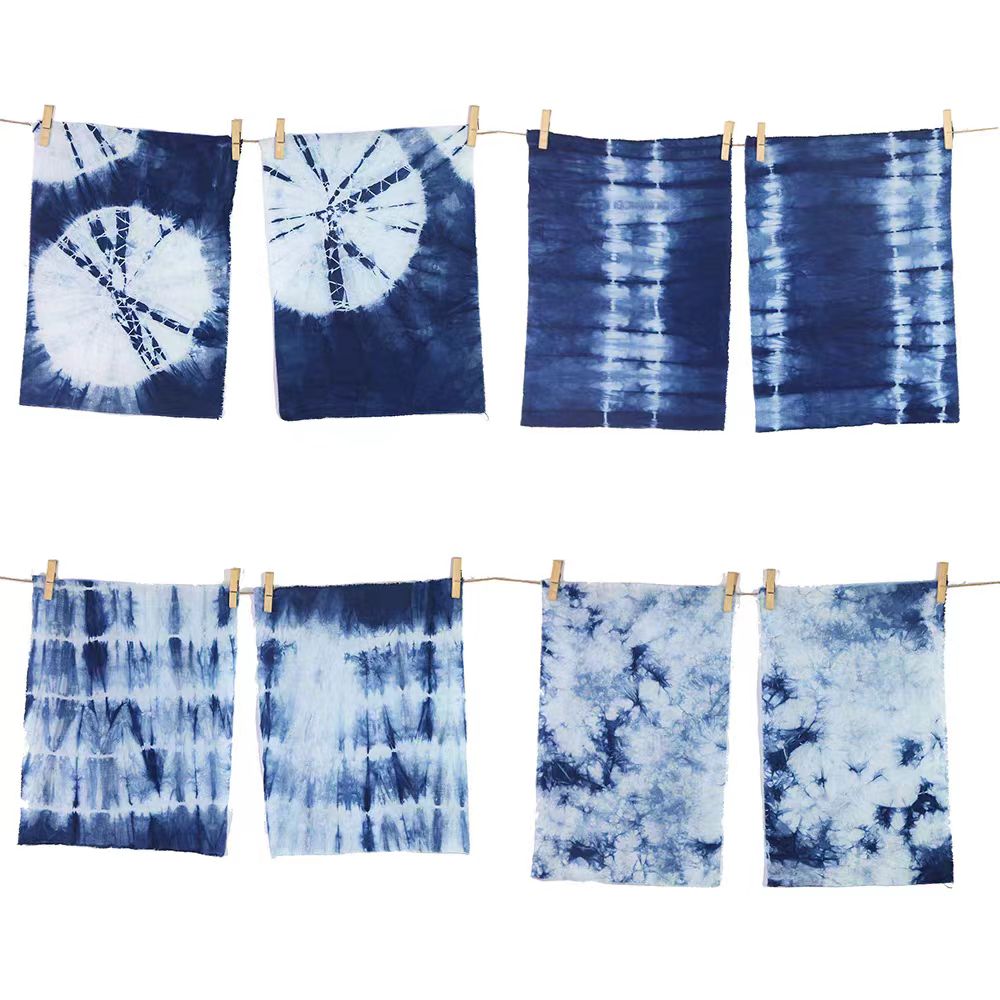
Folding and Tying: This is where creativity comes into play. Fold, twist, or scrunch the fabric in various ways and secure it with rubber bands or string. Common techniques include spirals, pleats, crumples, and stripes.
- Spiral Pattern: Pinch the center of the fabric and twist it into a spiral. Secure the spiral with rubber bands intersecting in an 'X' shape.
- Accordion Fold: Fold the fabric back and forth in a fan-like manner and bind it with rubber bands at intervals.
- Crumple Technique: Scrunch the fabric into a loose ball and tie it randomly with rubber bands.
3. Dye Application
- Mixing the Dye: Follow the dye manufacturer’s instructions to mix the dye with water. Use squeeze bottles to apply the dye to specific areas of the tied fabric.
- Applying the Dye: Apply the dye to the fabric. You can use different colors on different sections to create a rainbow effect or stick to a single color for a monochromatic look. Make sure to saturate the fabric thoroughly for vibrant results.
4. Setting the Dye
- Sealing: Place the dyed fabric in a plastic bag (Ziplock works well) to keep it moist. Let it sit for 6-24 hours. The longer it sits, the more vibrant the colors will be.
5. Rinsing and Washing
- Rinsing: Rinse the fabric under cold running water while still tied to remove excess dye. Once the water runs clear, remove the rubber bands and continue rinsing until the water is completely clear.
- Washing: Wash the fabric in hot water with a small amount of detergent to remove any remaining dye. It’s best to wash tie-dyed items separately for the first few washes to prevent bleeding onto other clothes.
6. Drying
- Drying: Hang the fabric to dry or use a dryer. Be aware that using a dryer may cause the colors to fade slightly over time.
Tips for Success
- Experiment with Techniques: There’s no right or wrong way to tie-dye. Trying different folding and tying methods will yield unique results each time.
- Use High-Quality Dyes: Investing in good quality dyes can make a significant difference in the vibrancy and longevity of your tie-dye creations.
- Protect Your Work Area: Dye can stain surfaces, so cover your workspace with plastic or newspapers.
Conclusion
Tie-dyeing is not just a craft; it's an expression of individuality and creativity. Whether you’re making a bold statement piece or a subtle, patterned accessory, the process is enjoyable and the results are always a delightful surprise. With practice and experimentation, anyone can master the art of tie-dye and create stunning, one-of-a-kind fabrics.