
The Poetry of Botanical Batik
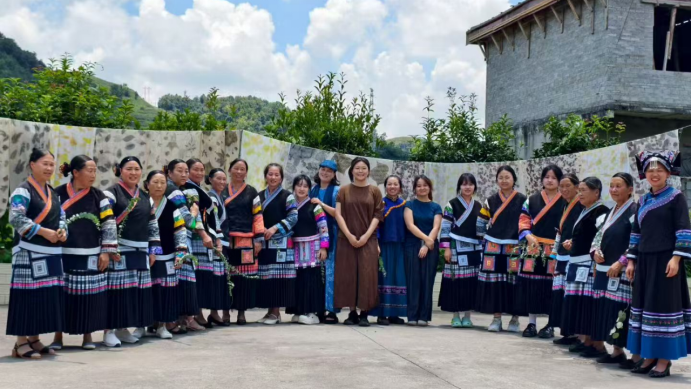
Amid the mountains and rivers of Southwest China’s Guizhou, there exists an art form that uses plant - based dyes and wax to create fabrics that tell stories of nature and time.
This is Guizhou’s intangible cultural heritage—botanical batik. Touching these textiles, with their organic textures and delicate imprints of leaves, feels like stepping into the creative world of ancient artisans. It’s a unique blend of nature and human craftsmanship. Recently, we gained a deeper appreciation of this art through a special overseas order that pushed us to explore batik in new ways.
The Natural Secrets of Botanical Batik
(一)Colors from Nature: The Magic of Plant Dyes
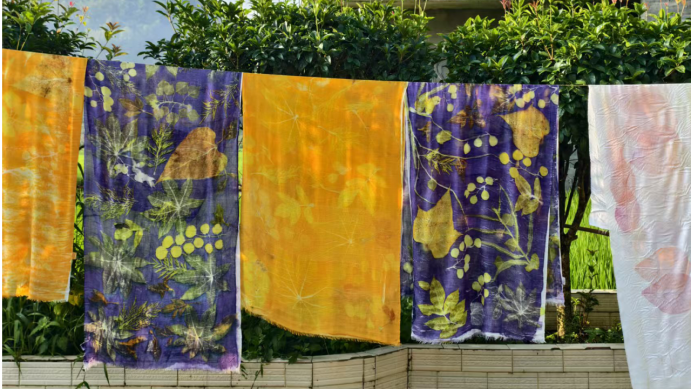
Deep in the forests of Guizhou, we discover the source of these rich colors. Indigo plants slowly release deep blues, while sappan wood gives warm reds. Each plant offers its own natural dye—a living recipe from nature. Unlike synthetic dyes, these colors carry the warmth of sunlight and rain. The result is an beautiful balance between art and ecology.
(二)Drawing with Wax: The Flow of Creative Wisdom
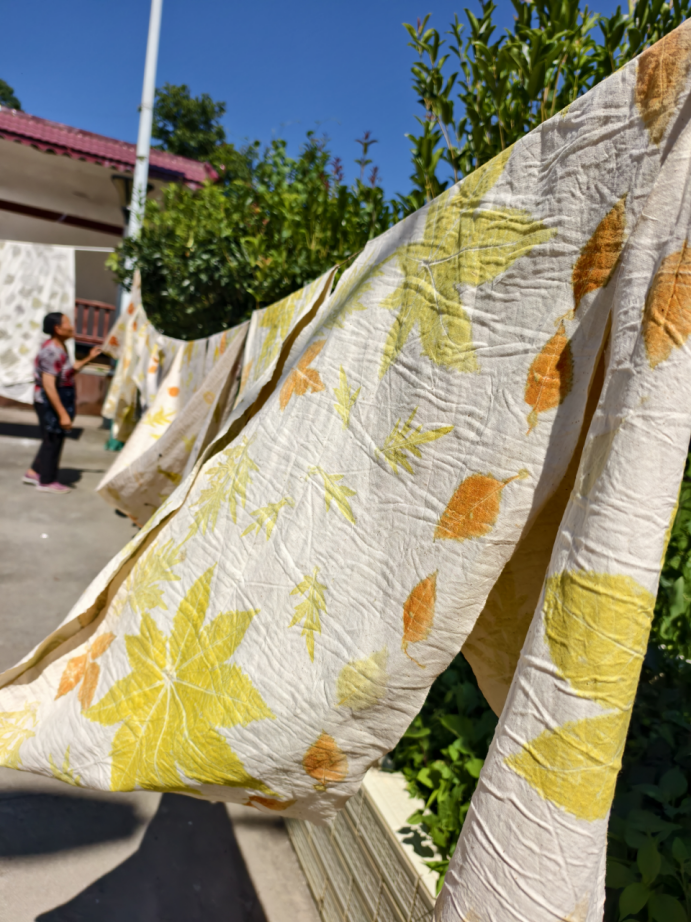
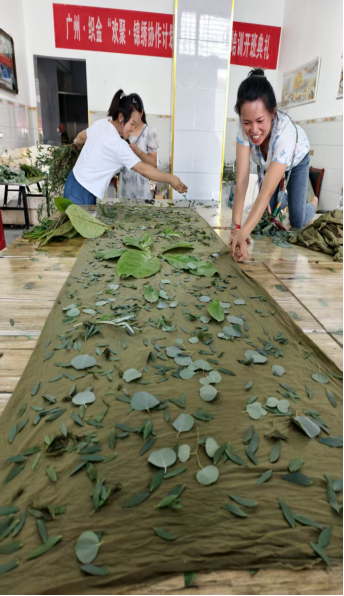
Artisans use plant leaves to print and dye with melted wax, creating patterns on cloth. The wax resists the dye, leaving behind unique lines and cracks once it’s removed. Some patterns look like veins of leaves; others resemble abstract art. It’s a collaboration between human skill and natural beauty.
The “Cultural Export” Order: An Unexpected Journey
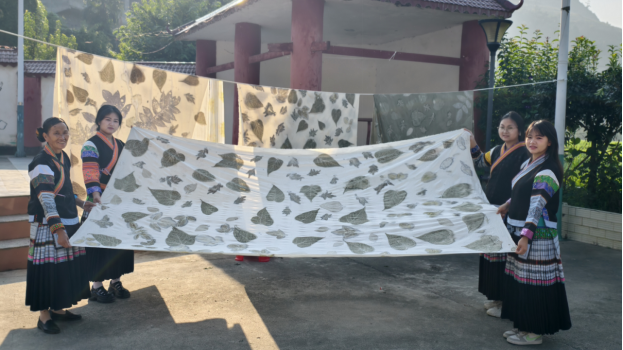
This year, we brought botanical batik to an international audience. A French brand placed an order for 500 scarves—which brought both excitement and challenges. The process was complex: it required over 50 artisans, more than 20 types of plants, and a giant steamer. By coincidence, we were invited to Guizhou for a training workshop. There, we teamed up with local batik experts to make it happen.
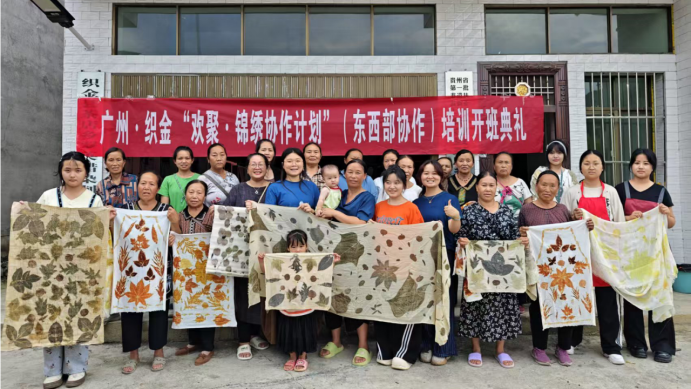
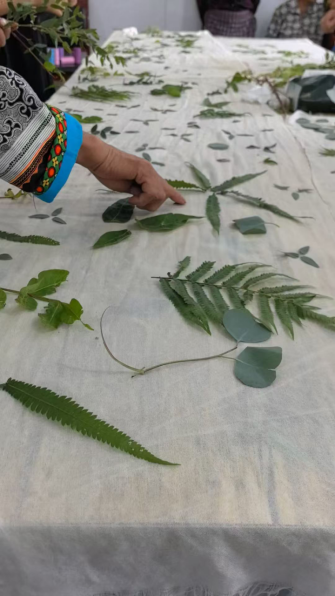
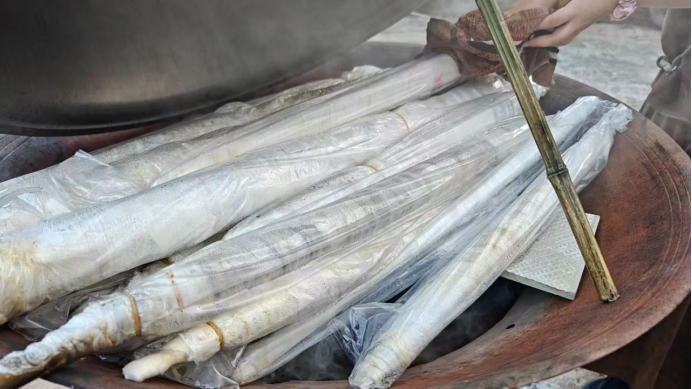
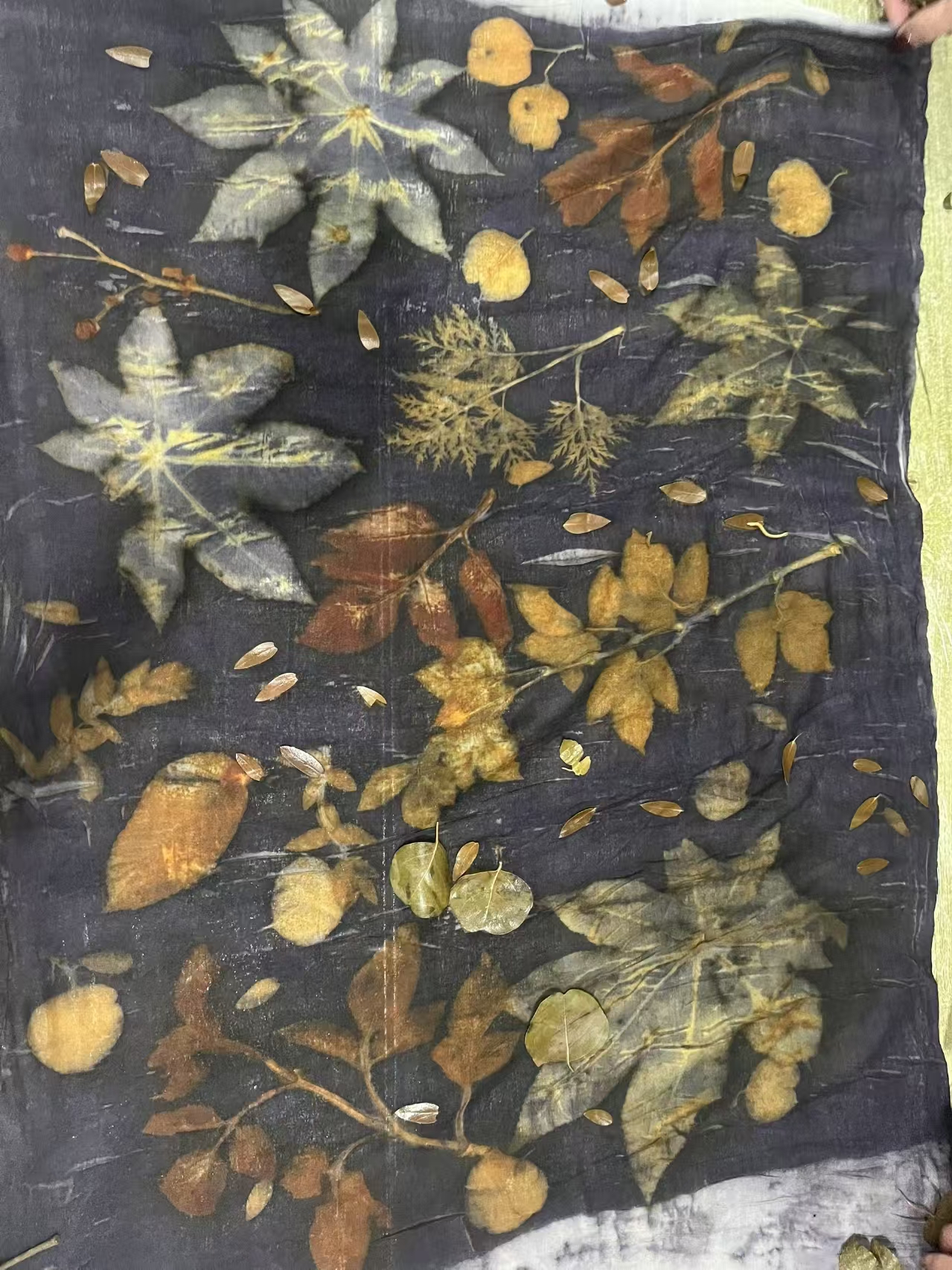
We went into the mountains to gather plants. The artisans knew every leaf—pointing out beautiful doveweed and the orange hues of bidens. Simple leaves turned into vibrant colors in their hands. “Roll tight, tie firm, steam well”—after two hours in the steamer, it was time to reveal the results. Unwrapping each scarf felt like opening a blind box—each one stamped with nature’s unique signature. We learned that the soul of this heritage lives not in museums, but in the skilled hands of those who practice it.
Patterns with Cultural Roots
(一)Nature-Inspired Motifs: Leaves and Flowers
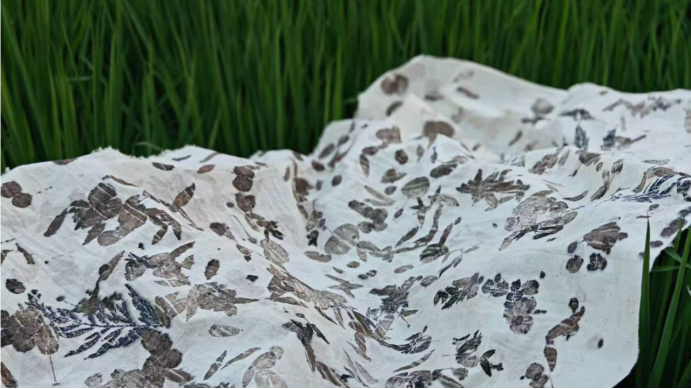
The patterns you see aren’t just decorative—they reflect the local respect for nature. Prints with maple leaves or ferns may carry meanings related to farming or seasons. Each imprinted leaf is like a page from a natural diary.
(二)Traditional Symbols: Culture in Every Shape
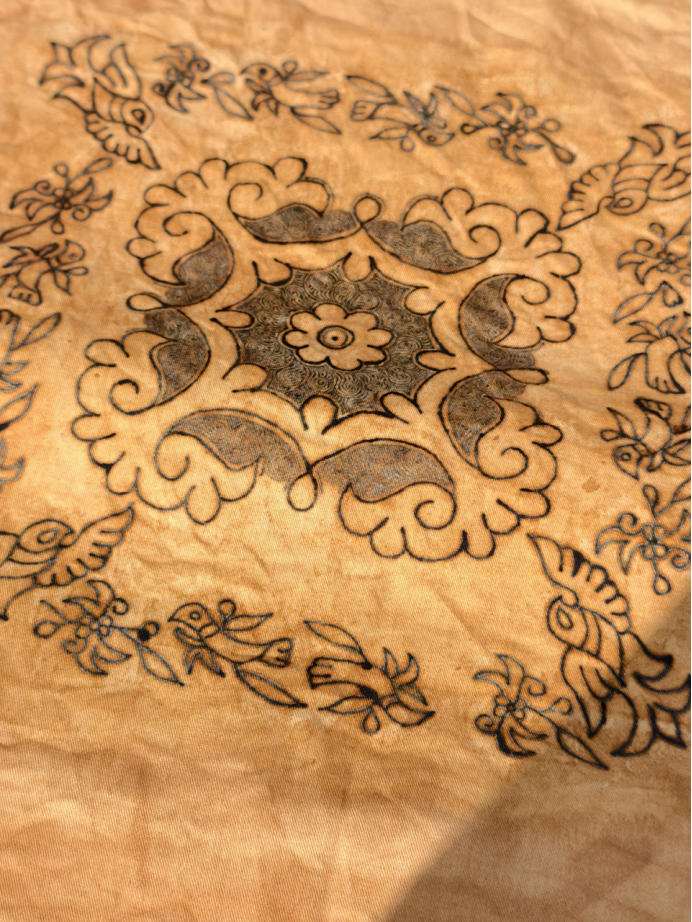
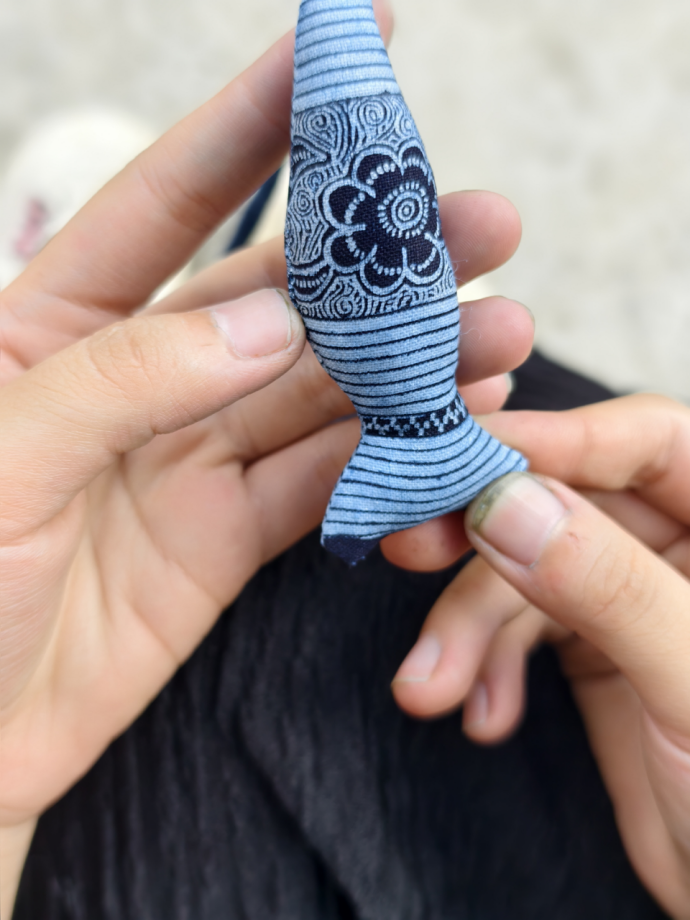
Some patterns feature birds, symmetrical designs, or tribal totems. These may symbolize protection or good fortune. Others are inspired by everyday objects or architecture. Together, they form a visual language that makes batik more than fabric—it’s a living cultural record.
Preservation and Innovation
(一)The Artisans: Keepers of Tradition
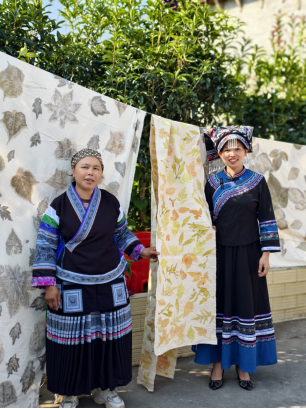
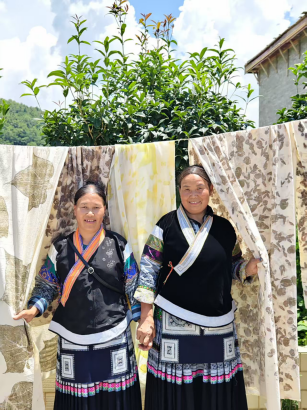
We met batik artists who inherited their skills from ancestors. Despite modern challenges, they continue their work. During our project, we saw their expertise firsthand—how they gathered plants, solved technical problems, and delivered beauty. Their dedication is what keeps this art alive.
(二)New Life for an Ancient Craft
Today, batik is crossing boundaries. It’s appearing in fashion, accessories, and lifestyle products. Designers are using these patterns in modern ways—like the scarves we created for the French brand. This fusion shows that cultural heritage isn’t frozen in time—it’s evolving and connecting with new audiences.
Conclusion: Spreading the Beauty of Botanical Batik
Looking back at this journey—from natural dye-making to wax drawing, from cultural patterns to working with local experts—we see batik as a gift from nature, shaped by human creativity. We hope that through these fabrics, more people can appreciate the beauty of Guizhou’s landscapes and traditions. May the story of botanical batik travel across cultures and generations, linking the past with the future, and nature with humanity.
Frequently Asked Questions (FAQ)
Q: What is botanical batik?
A: Botanical batik is a traditional craft from Guizhou, China, where artisans use natural plant dyes and wax to create intricate patterns on fabric. It’s a sustainable art form that blends nature and culture.
Q: What makes botanical batik eco-friendly?
A: It uses dyes made from plants like indigo and sappan wood—no synthetic chemicals. The process is natural, and the materials are biodegradable.
Q: How is the wax used in batik?
A: Artisans draw patterns with melted wax using copper tools. The wax resists the dye during dipping, creating unique designs and crackle effects once it’s removed.
Q: Can batik fabrics be washed?
A: Yes, but with care. Hand wash in cold water with mild detergent. Avoid wringing or rubbing to preserve the color and wax patterns.
Q: Where can I buy authentic Guizhou botanical batik?
A: Authentic pieces are available through local artisans in Guizhou, cultural heritage shops, and selected online platforms. (Note: Our website www.apripex.com does not currently offer batik products.)
Q: Is every batik piece unique?
A: Yes! Variations in wax application, dye batches, and handmade processes mean no two pieces are exactly alike.
Q: Can batik be used in modern fashion?
A: Absolutely. Batik patterns are increasingly used in contemporary clothing, accessories, and home decor, blending tradition with modern style.
Q: Is botanical batik only blue and white?
A: No. While indigo blue is classic, other plants create reds, yellows, browns, and greens—each with its own natural hue.