

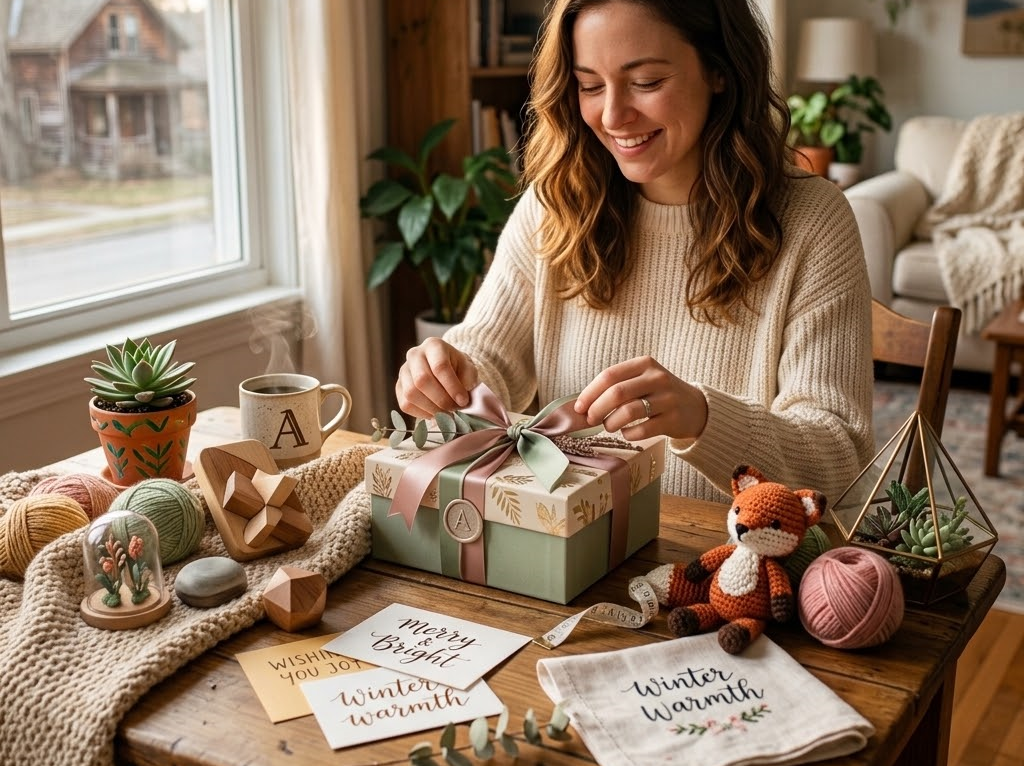
In a world where almost anything can be ordered with a few clicks, finding a gift that feels genuinely personal can be surprisingly difficult. Online stores offer countless products with similar designs, materials, and functions. A mug is still a mug, a stuffed animal is still a stuffed animal, and a decorative object may look nearly identical to hundreds of others.
Yet, when choosing a gift for someone special, shoppers often look beyond what an object does. They consider how it was made, what it represents, and whether it feels as though it was chosen with that particular person in mind.
This is part of the enduring appeal of handmade gifts. A hand-crocheted animal doll, a carefully stitched fabric decoration, or a handcrafted keepsake may carry a different emotional impression from a mass-produced alternative. The difference is not necessarily that handmade products are always more durable, more useful, or more affordable. Rather, the making process can become part of the gift's story.
So why do handmade gifts sometimes feel more meaningful than mass-produced products? The answer involves craftsmanship, perceived effort, individuality, and the way people use objects to express affection.
The Handmade Effect: When How Something Is Made Matters
Modern mass production has transformed the way people shop. Standardized manufacturing makes it possible to create large quantities of products with consistent designs and predictable quality. This consistency is valuable: it helps make everyday goods accessible, convenient, and affordable.
Handmade products follow a different path. Although makers may use patterns, tools, and repeatable techniques, each piece involves human decisions and physical work. A crochet doll may have subtly different stitches from another made using the same pattern. A hand-painted item may have slight variations in its finish. These differences can make the product feel more connected to its maker.
Research published in the Journal of Marketing examined what researchers called the “handmade effect.” Across four studies, the researchers found that consumers often responded more favorably to products described as handmade than to comparable machine-made products. Their findings linked this response to the belief that handmade products symbolically contain love, particularly when people were purchasing gifts for loved ones.
The research does not mean that every handmade item will be preferred by every shopper. Price, quality, convenience, and personal taste still matter. However, it suggests that the production process can influence how people interpret a product, especially when the purpose of buying it is to communicate something meaningful.
A handmade gift is therefore more than a finished object. For some consumers, it also represents the time, care, and human involvement they associate with its creation.
Why Craftsmanship Adds Emotional Value
When people look at a mass-produced product, they generally focus on its visible features and practical benefits. They may consider its color, size, materials, price, and functionality. The manufacturing process is often less important to the buying decision because it is largely standardized and invisible.
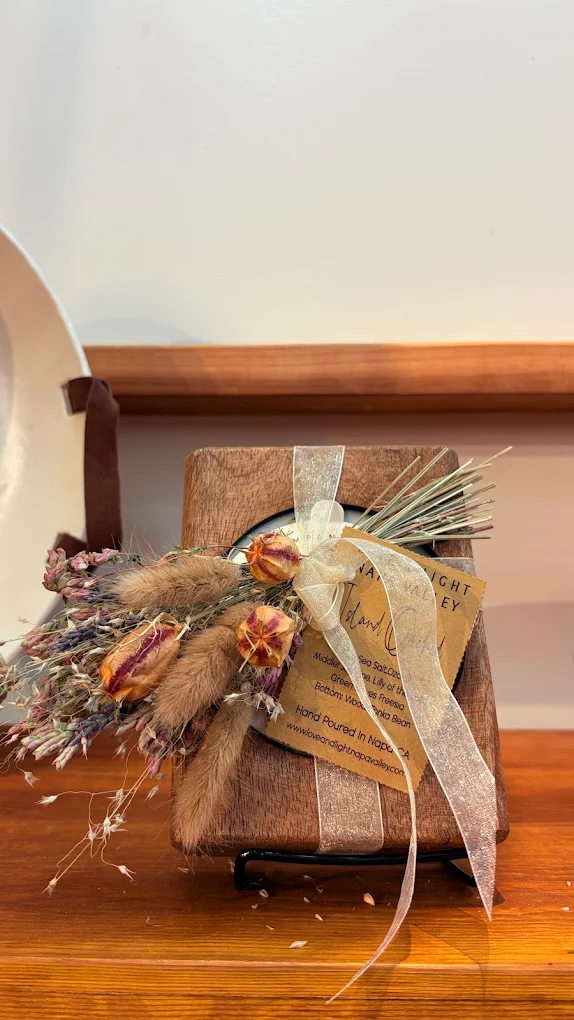
Handcrafted gifts can make the process more noticeable. The texture of crochet stitches, the details of embroidery, the shape of hand-sewn fabric, and the finish of a handmade decoration can all provide clues about how the object was created.
|
These details do not automatically make a product more valuable. A handmade item still needs to meet the expectations of the person buying it. But craftsmanship can give shoppers another reason to appreciate it. For many people, the appeal of handcrafted gifts lies in the feeling that the finished object reflects a maker's skill and attention. Instead of being viewed only as something manufactured for sale, it may be understood as something that involved a particular process and a human touch. That interpretation can become especially important when the object is intended for someone else. A gift is often chosen not only for its usefulness, but also for the message it communicates. Craftsmanship can become part of that message. |
 |
The Value of Time: Why Effort Can Change the Way We See a Gift
Time is difficult to measure when it comes to emotional value. A product may take only a few minutes to purchase but many hours to create. For handmade products, the time involved in cutting, stitching, crocheting, shaping, assembling, or finishing can become part of the story that surrounds the object.
This idea is connected to research on the relationship between effort and perceived value. One well-known example is the IKEA effect, described in a study published in the Journal of Consumer Psychology. The researchers found that people could place greater value on objects they had successfully assembled themselves. Their experiments involved activities such as building boxes, folding origami, and constructing LEGO models.
The IKEA effect is not direct evidence that consumers will always value handmade gifts more highly. The situations are different: in the IKEA studies, people contributed their own labor, while a handmade gift is usually made by someone else. Still, the findings offer a useful insight into consumer psychology: effort can influence how people perceive an object.
When a person receives a handmade gift, they may recognize that someone spent time producing it. That knowledge can affect how they interpret the gift, particularly when the item is associated with a close relationship.
A small handmade object may not have taken a great deal of material to produce, but the time and skill behind it can give the object a story that is not immediately visible in its price tag.
Handmade Imperfections Can Create a Sense of Individuality
 |
One of the most noticeable differences between handmade and mass-produced products is variation. Factories are generally designed to reduce unnecessary differences between identical products. Consumers expect a particular model to look and function consistently, and this predictability is one of the strengths of mass production. Handmade products can be more varied. A crochet animal may have slightly different shaping, a fabric doll may have a subtly different expression, or a woven item may show small differences in texture. These variations do not necessarily indicate poor quality. They may simply reflect the nature of making something by hand. For some shoppers, these details create a sense of individuality. The product feels less interchangeable, even if it is based on a repeated design. |
This is especially relevant to unique handmade gifts. When someone is choosing a present, they may want it to feel connected to the recipient's personality, interests, or relationship with the giver. An unusual design or handmade finish can help the gift feel more distinctive.
However, individuality should not be confused with a guarantee of uniqueness. Many handmade products are made from established patterns or produced in small batches. The appeal comes from the combination of design, craftsmanship, and variation, rather than from the assumption that no similar item exists anywhere else.
Why Handmade Gifts Can Feel More Personal
Gift giving is a form of communication. A present can express appreciation, affection, friendship, congratulations, sympathy, or encouragement. Its meaning depends partly on the relationship between the people involved and the occasion for which it is given.
This is why the same product may be interpreted differently depending on who receives it.
A practical object might be ideal for one person, while another may appreciate something decorative, sentimental, or unusual. When a shopper chooses a handmade gift, the production process can become one of the reasons the item feels appropriate.
A handmade product may suggest that the giver considered more than convenience. It can communicate an interest in craftsmanship, a preference for individuality, or an appreciation for the time involved in making something.
The meaning is not guaranteed. Some recipients prefer familiar brands, practical products, or items that are easy to use. Others may place more importance on handmade details and the story behind an object.
The important point is that meaningful gifts are not defined by a single material or price range. Their significance develops through the interaction between the object, the giver, and the recipient.
The Role of Authenticity in Modern Shopping
The word “authenticity” appears frequently in conversations about handmade products, but it can mean different things to different consumers.
For some people, authenticity refers to the visible involvement of a maker. They may value a product because its construction, materials, or design gives them a sense of how it came into existence.
For others, authenticity is connected to the product's story, the creator's approach, or the relationship between the object and a particular tradition. A handmade item may feel appealing because it seems more distinctive or less standardized.
Online shopping has made these stories easier to share. Product descriptions, photographs, videos, and behind-the-scenes content can show the materials, techniques, and details involved in creating a handmade item.
At the same time, shoppers still need clear information about what they are purchasing. A product described as handmade should accurately represent its construction and production process. Details about materials, dimensions, care instructions, and variations help consumers make informed decisions.
Authenticity is most useful when it is supported by transparent product information rather than treated as a substitute for quality.
Why Handmade Animal Dolls Have a Special Place in Gifting
Among handmade products, animal dolls offer an interesting combination of visual character, decorative appeal, and gift-giving potential. Their designs are often recognizable, but handmade techniques can give them a distinctive texture and personality.
A crocheted animal doll may become part of a child's imaginative play, a collector's display, a nursery decoration, or a cozy corner in an adult's home. Its purpose can change depending on the person who receives it.
This flexibility makes handmade animal dolls an interesting example of how an object can move between categories. It may be a decorative item, a soft companion, a keepsake, or a small expression of affection.
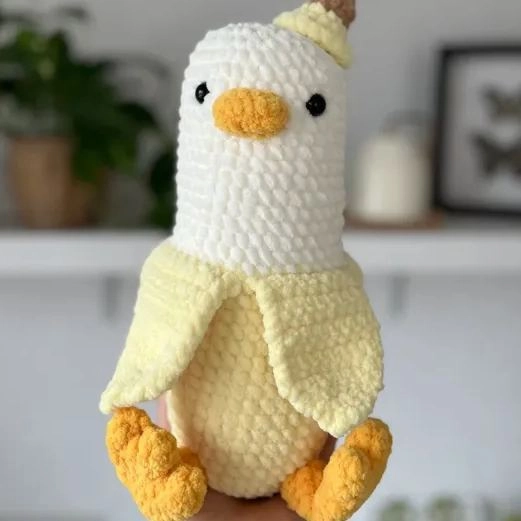
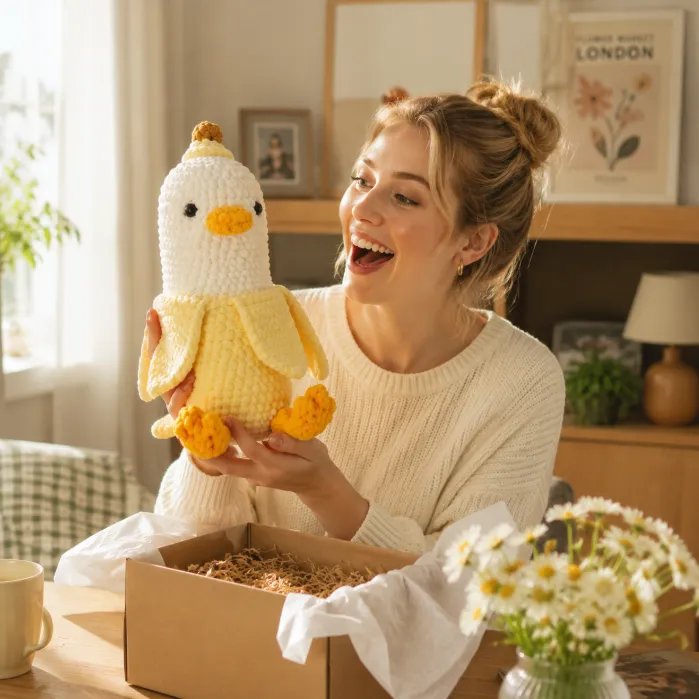
At Apripex, handmade designs such as the Crochet Banana Duck Stuffed Animal reflect this combination of playful character and handcrafted detail. The design brings together a duck-inspired shape, banana-inspired colors, and a soft crochet texture. Its appeal lies in its unusual appearance and handmade aesthetic, making it suitable for shoppers looking for a distinctive decorative plush or a gift for someone who enjoys cute animal designs.
The product itself is only one example of a broader trend. Handmade animal dolls demonstrate how craftsmanship and character design can work together to create objects that feel visually memorable and personal.
 |
 |
 |
What the Future of Handmade Gifting May Look Like
The handmade market is not separate from modern commerce. Independent makers and small businesses increasingly use online stores, social media, digital design tools, and e-commerce platforms to reach customers.
This means that handmade products can combine traditional techniques with modern shopping experiences. A customer may discover a crochet doll through a social media post, learn about its construction through a product page, and order it online as a gift for someone in another state.
The appeal of handmade products may also evolve as consumer expectations change. Some shoppers may look for more information about materials, production methods, sustainability, or the people behind a product. Others may be drawn primarily to unusual designs and tactile textures.
The future of handmade gifting is therefore unlikely to be a simple return to the past. Instead, it may involve a continuing combination of traditional craftsmanship, creative design, and digital accessibility.
Handmade products do not need to replace mass-produced goods to remain valuable. They can occupy a different place in the market by offering shoppers another way to express taste, appreciation, and personal meaning.
Final Thoughts: The Story Behind the Gift
The difference between a handmade gift and a mass-produced gift is not always found in the product's function. A stuffed animal can provide comfort regardless of how it was made. A decorative object can brighten a room whether it came from a factory or a small workshop.
What changes is the story that shoppers may attach to the object.
Handmade gifts can make craftsmanship, effort, individuality, and human involvement more visible. For some consumers, these qualities add emotional value, especially when the product is chosen for someone they care about.
That does not make every handmade product more meaningful than every mass-produced alternative. Instead, it shows that the value of a gift is shaped by more than its physical features.
Sometimes, the most memorable part of a gift is not simply what it is.
It is the story of how it was made, why it was chosen, and what it comes to represent.
Frequently Asked Questions
1. Why do handmade gifts feel more meaningful?
Handmade gifts may feel more meaningful because shoppers can associate them with craftsmanship, time, individuality, and human involvement. Research on the handmade effect suggests that these associations can influence how consumers perceive products, especially when buying gifts for loved ones.
2. Are handmade gifts better than mass-produced gifts?
Not necessarily. Handmade and mass-produced products offer different qualities. Handmade items may appeal to people who value craftsmanship and distinctive designs, while mass-produced products often provide consistency, affordability, and convenience. The best choice depends on the recipient's preferences and the purpose of the gift.
3. What makes a handmade gift unique?
A handmade gift may feel distinctive because of its design, materials, construction, texture, or small variations created during production. However, handmade does not always mean one-of-a-kind. Many makers use patterns or produce several similar pieces.
4. Are handmade animal dolls suitable as gifts?
Yes. Handmade animal dolls can be suitable for birthdays, celebrations, appreciation gifts, nursery decorations, collectors, or anyone who enjoys cute and handcrafted designs. The most appropriate choice depends on the product's materials, construction, recommended age, and intended use.
5. How should I choose a meaningful handmade gift?
Consider the recipient's interests, preferred colors, personal style, and the occasion. Look for accurate product details, including materials, dimensions, care instructions, and any age or safety guidance. A gift is often most meaningful when it reflects the recipient rather than simply following a trend.
6. Why are handmade gifts popular for special occasions?
Handmade gifts can appeal to shoppers who want something that feels distinctive, personal, or connected to craftsmanship. Their designs and production stories may help mark occasions such as birthdays, holidays, housewarmings, and celebrations. However, personal preferences and the relationship between the giver and recipient remain important.


