Introduction: The Art and Risk of Custom Plush
Turning a 2D drawing, a digital character, or a beloved memory into a 3D custom plush toy is an exciting process. Whether you are an independent artist creating merchandise (Funnelytics reports that creator merch is a $2B+ industry), a business developing a mascot, or a parent immortalizing a child's drawing, the result must be perfect.
However, the custom plush market is a minefield. For every high-quality manufacturer, there are dozens of посредников (middlemen) or factories producing lumpy, inaccurate, or unsafe products. In North America, where consumer protection laws are strict, choosing the wrong partner can lead to wasted money, missed deadlines, and damaged brand reputation.
How do you separate the professionals from the amateurs? This guide covers the 10 critical checkpoints you must verify before signing a contract or paying a deposit to any custom plush maker.
The Sample Policy: Your Safety Net
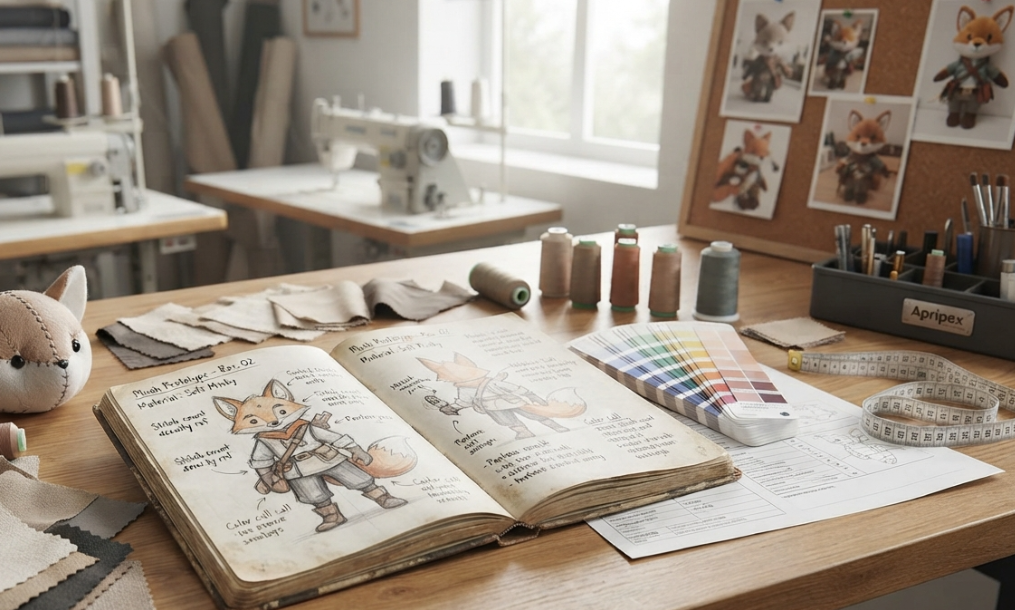
Never commit to a bulk order without seeing a physical prototype first. This is the single most important rule of custom manufacturing.
Professional plush makers, including established North American brands like Budsies or specialized manufacturers like Apripex, have a defined sample process.
-
The Policy Check: Do they offer a pre-production physical sample (PPS)?
-
Red Flag: A company that insists you go straight to bulk production "to save money" is a major risk.
-
Cost: Expect to pay a sample fee, usually ranging from $150 to $300 USD for a standard 10-12 inch plush. This fee often covers the creation of the custom pattern and digitizing the embroidery files. Good manufacturers will often refund or credit this fee against your bulk order cost.
Source Reference: According to sourcing industry standards, physical sampling reduces product liability claims by over 90% because it allows for tactile inspection of design translation and safety hazards.
Craftsmanship and Embroidery Detail
The difference between a cheap carnival prize and a high-end collectible lies in the details. When examining photos of previous work or your own sample, look closely at the execution.
-
Stitching: Seams should be tight, straight, and nearly invisible. Poor craftsmanship leads to stuffing leakage.
-
Symmetry: Unless the design is intentionally asymmetrical, the eyes, ears, and limbs should align perfectly.
-
Facial Features: This is the hardest part. Eyes and mouths should be embroidered, not printed (unless it’s a complex photo-realistic design). Embroidery should be dense, with clean edges, avoiding "pulling" the fabric.
Clarity on Photo Requirements
How you communicate your vision dictates the outcome. Professional custom plush makers don't just accept a vague description; they require specific technical input.
Before engaging a maker, check their submission guidelines. A top-tier manufacturer will ask for:
-
Front, back, and side views of the character.
-
Color codes (Pantone or Hex codes) for accurate fabric dyeing.
-
Dimensions: Specify the exact desired height (e.g., 30cm sitting).
-
Feature details: Close-ups of eyes, special markings, or accessories (like clothing).
If a maker says, "Just send me one sketch and we'll figure it out," be wary. Detailed input ensures the pattern maker understands the 3D volume of your 2D design.
The Revision Process: How Many Changes Are Allowed
It is rare for the first sample to be 100% perfect. The fabric color might be slightly off, or the nose might be too big. The mark of a professional custom plush maker is how they handle revisions.
-
Ask Before You Buy: How many rounds of revisions are included in the sample fee?
-
Typical Structure: Most manufacturers offer 2-3 rounds of revisions based on photos of the sample.
-
Cost of Changes: Be aware of the cost for additional revisions after the initial allowance. Significant structural changes (e.g., changing the body shape entirely) may incur extra pattern fees, typically $50 - $100.
Production Lead Times and Shipping
Custom plush is not fast fashion. It involves intricate manual labor. In North America, setting realistic expectations is crucial for artists launching Kickstarters or companies planning product launches.
Understand the typical timeline (estimates based on industry averages):
| Stage | Estimated Timeframe | Notes |
| Sample Creation | 2 - 4 weeks | Includes pattern making and material sourcing. |
| Sample Shipping | 3 - 7 days | International air express (usually from Asia factories). |
| Sample Approval | 1 day - 2 weeks | Time taken by client to review and request changes. |
| Bulk Production | 35 - 50 days | Varies greatly by quantity (MOQ) and factory capacity. |
| Bulk Shipping (Ocean) | 30 - 45 days | Most cost-effective for large orders. |
| Bulk Shipping (Air) | 5 - 10 days | Expensive, but necessary for tight deadlines. |
A trustworthy manufacturer will provide a transparent timeline and proactively communicate delays.
Material Quality and Safety Standards (CPSIA/ASTM)
This is non-negotiable, especially for the North American market. If your plush is intended for children, or even if it's just general consumer merchandise, it must meet safety regulations.
-
The Standards: In the United States, this means passing ASTM F963 (Standard Consumer Safety Specification for Toy Safety) and CPSIA (Consumer Product Safety Improvement Act) testing. In Canada, it is the CCPSA (Canada Consumer Product Safety Act).
-
Fabric: Are they using high-quality, non-toxic, hypoallergenic materials? Look for certifications like OEKO-TEX Standard 100 for textiles.
-
The Maker's Responsibility: A professional manufacturer (like those adhering to Apripex's strict quality control) will use certified materials and can often facilitate third-party lab testing if required for your specific retail compliance.
Source Reference: The U.S. Consumer Product Safety Commission (CPSC) recalls hundreds of thousands of units annually due to choking hazards from small parts or lead content in children's products. Verification of compliance is essential.
Pricing Transparency and Hidden Costs
The cheapest quote is rarely the best deal. You need to understand the total landed cost.
When comparing quotes, ensure they include:
-
Unit Price: This drops significantly as Minimum Order Quantity (MOQ) increases.
-
Example Range (500 units, 10-inch plush): $6.00 - $12.00 USD each, depending on complexity.
-
-
Mould/Tooling Fees: For custom molded plastic parts (eyes, noses, accessories), a one-time fee applies.
-
Shipping (DDP vs. EXW): Ensure you understand the shipping terms. DDP (Delivered Duty Paid) means the manufacturer handles customs and taxes to your door—highly recommended for first-time importers.
-
Packaging: Are they bulk packed in polybags, or individually boxed with custom retail hangtags?
Pro Tip: Ask for a detailed invoice that breaks down every cost component. Avoid manufacturers that give a vague "all-in" number without explanation.
After-Sales Support and Guarantee
What happens if the bulk shipment arrives, and 5% of the plushies have defects (e.g., torn seams, detached eyes)?
Amateur manufacturers disappear after they receive the final payment. Professional makers stand by their work.
-
The Guarantee Check: Do they offer a quality guarantee or replacement policy for manufacturing defects?
-
The Process: A reputable company will require photographic evidence of the defects and offer either a partial refund or replacements in the next shipment.
-
Apripex Standard: We ensure that our QC team inspects 100% of goods before they leave the factory floor.
Verifiable Reviews and Social Proof
Anyone can build a flashy website. You need third-party validation.
-
Independent Reviews: Look for reviews on platforms like Trustpilot, Google My Business, or verified testimonials on business directories.
-
Social Media Tags: Search Instagram or TikTok for tags like #[MakerName]customplush. Seeing real users posting about the end product they received is powerful social proof.
-
Industry Partnerships: Have they worked with recognized brands, non-profits, or well-known influencers? These partnerships vet the manufacturer's reliability.
Portfolio of Real Customer Cases
Finally, "talk is cheap." A competent custom plush maker should be proud to show off their work.
Ask to see their portfolio, specifically projects similar to yours. If you are a game developer, you want to see examples of complex character translation, not just simple teddy bears.
A good portfolio entry should showcase:
-
The original 2D reference art/photo.
-
The final 3D plush result, showing detail and accuracy.
-
Information on the scale and complexity of the project.
Conclusion: Making the Final Decision
Choosing a custom plush maker is not just about placing an order; it is about entering a partnership. This manufacturer becomes an extension of your brand.
By using this 10-point checklist, you move from hoping for the best to making an informed business decision. Don't settle for uncertainty.
At Apripex, we pride ourselves on our transparency, safety compliance, and award-winning craftsmanship. We invite you to compare our sample policy and portfolio against any manufacturer in North America.


