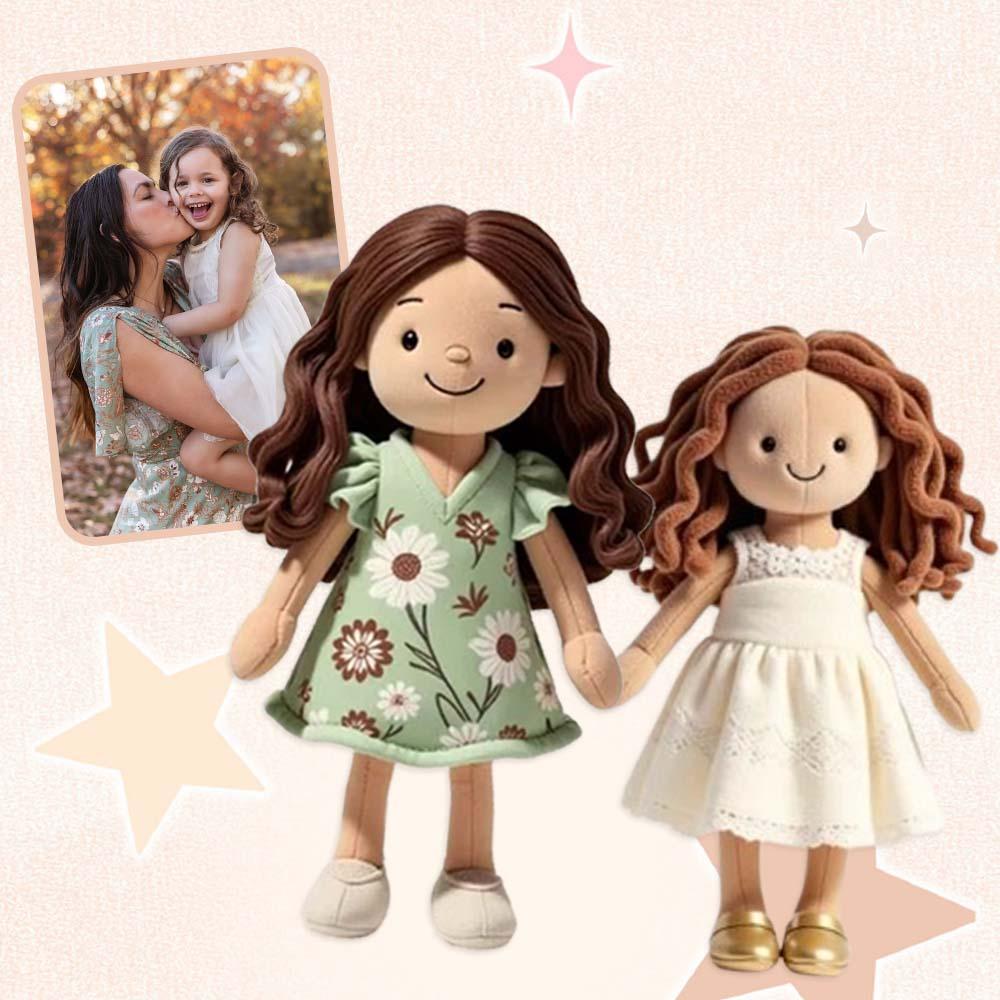


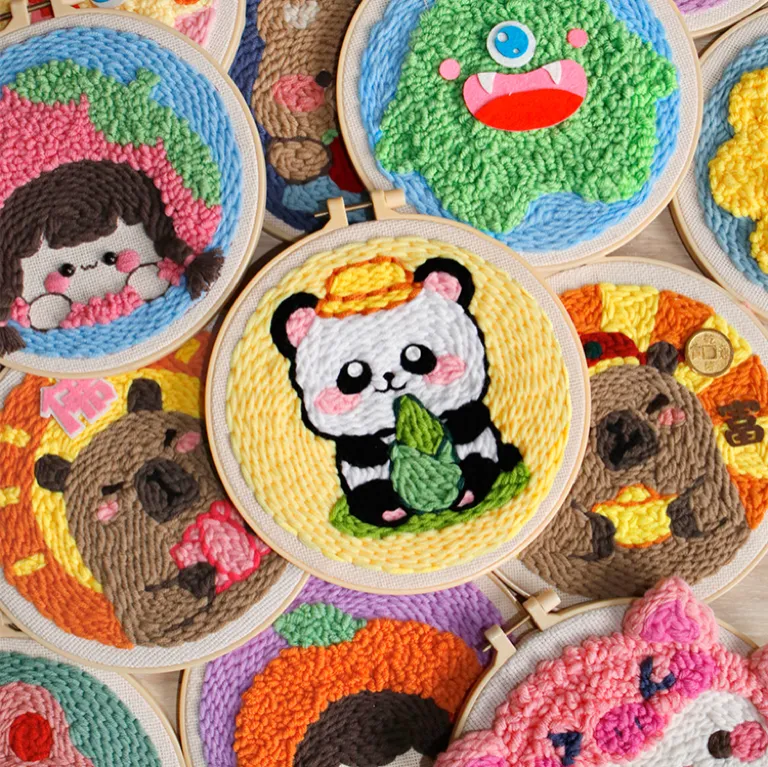
Welcome to the world of craft enthusiasts! Today, we're going to delve into the ancient and captivating art of tufting embroidery, also known as "chop embroidery." This craft involves interweaving rich patterns on fabric with needle and thread, creating a unique artistic style. Not only does it allow you to express your creativity, but it also helps you relax and enjoy the pleasure of handiwork. If you're ready to embark on your tufting journey, read on as I guide you step by step on how to make your first tufting embroidery piece.
The Charm of Tufting Embroidery
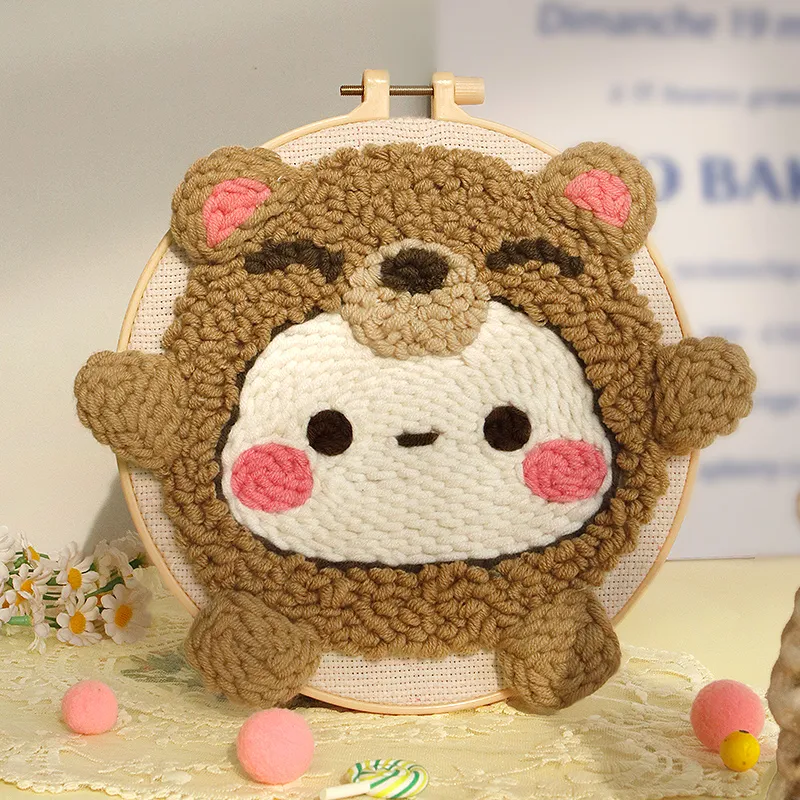
Before we start, let's discuss the appeal of tufting embroidery. Known for its distinctive texture and three-dimensional effect, it can be a beautiful decorative painting or practical home items like cushions and tablecloths. They can be displayed as ornaments in any suitable place or given as gifts to your friends. Handmade with love, they carry a special meaning. The process is easy to learn, yet the finished products are highly artistic, making it a perfect way to showcase your personal style and creativity.
Prepare Your Tufting Embroidery Kit
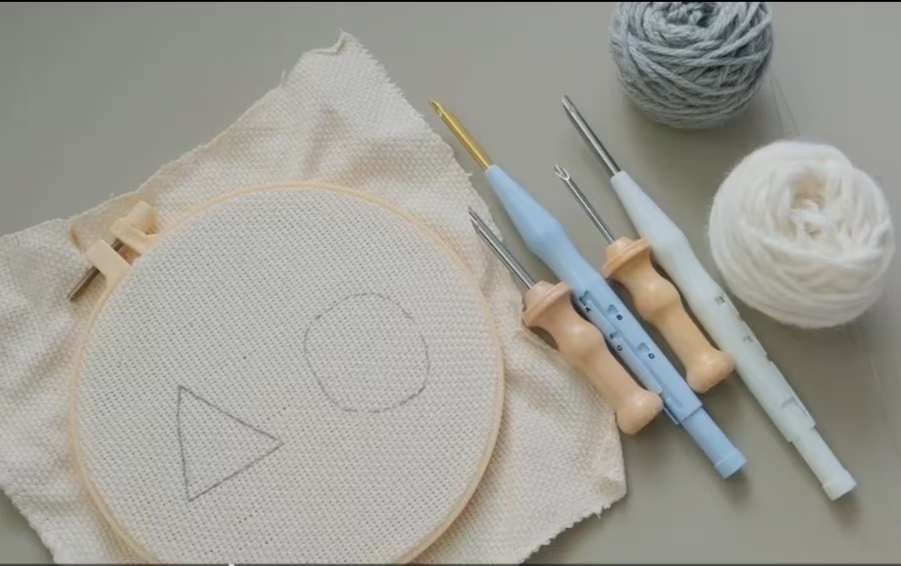
Before you start creating, you'll need the following materials:
- Fabric: Choose a sturdy and durable fabric like cotton or linen for your embroidery base.
- Embroidery Thread: Select threads in a variety of colors and good quality; they will be the highlight of your work.
- Needle: Choose a needle that suits your hand strength, ensuring it's neither too loose nor too tight.
- Pattern: You can design your own pattern or select a ready-made tufting embroidery pattern.
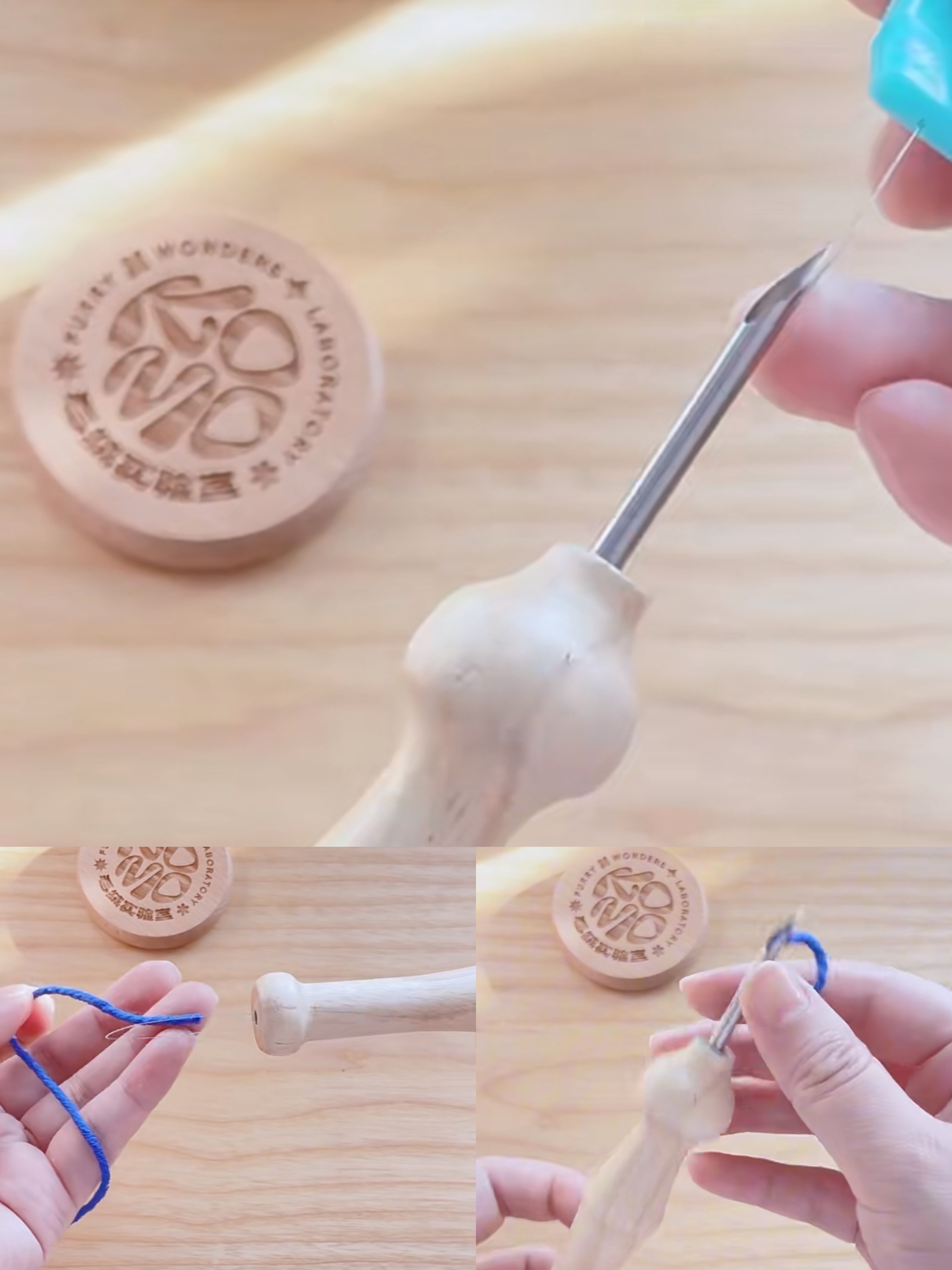
- needle threader:an auxiliary tool used to help people more easily thread a needle or sewing needle through the small eye of the needle.
Steps to Create Tufting Embroidery
1、Secure the Fabric
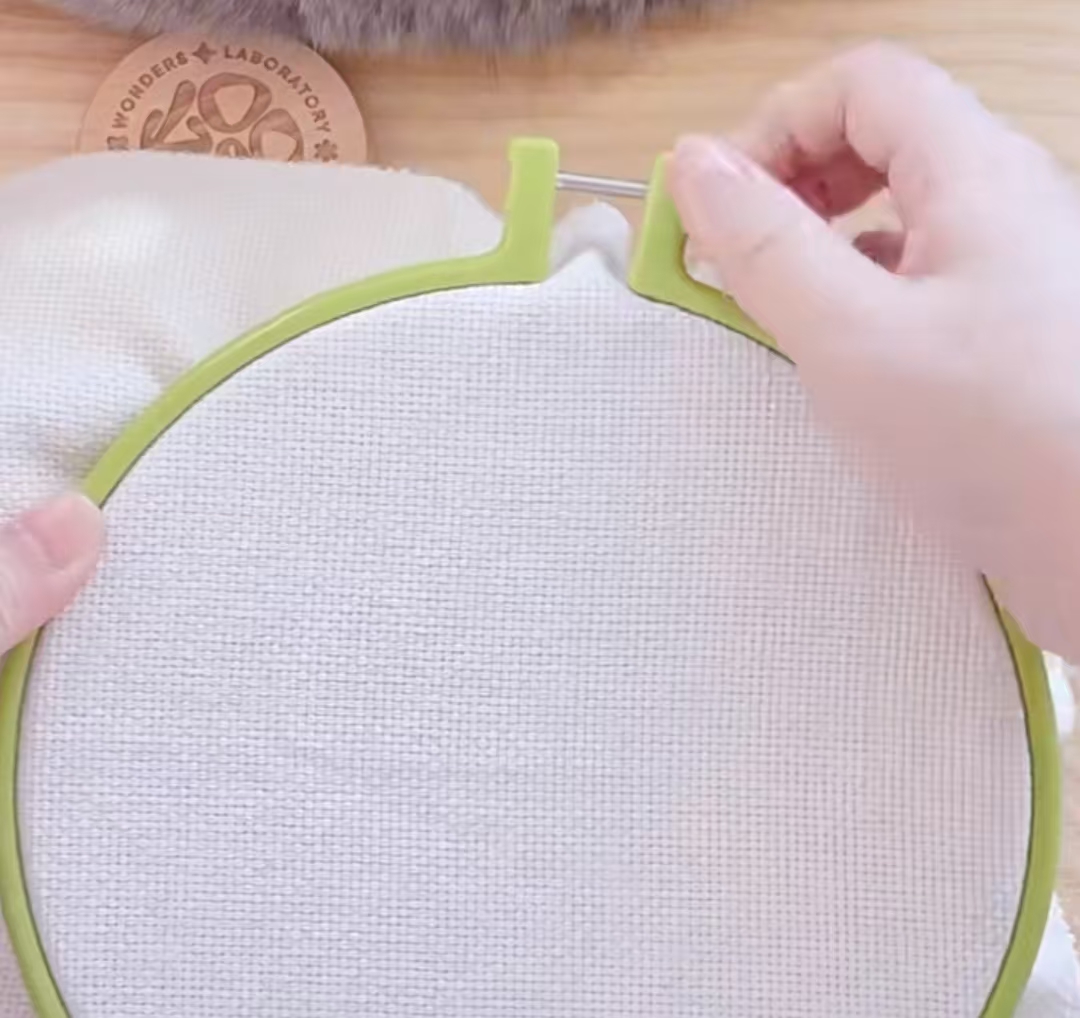
Lay the fabric flat on your work surface and secure it with an embroidery hoop or tape, ensuring the fabric is smooth and taut.
2、Choose a Pattern
Select a pattern you like, which can range from simple geometric shapes to complex floral or animal designs. Print out the pattern or draw it directly onto the fabric.
3.thread a needle
Push the loop or ring of the needle threader through the eye of the needle. Thread the thread through the loop or ring of the needle threader. Gently pull the threader back through the eye of the needle, along with the thread, so that the thread passes through the eye. Pull the thread: Once the thread has passed through the eye, gently pull the thread until it is securely through to the other end of the needle.
Knot: Tie a small knot at the end of the thread to prevent it from loosening during the embroidery process.
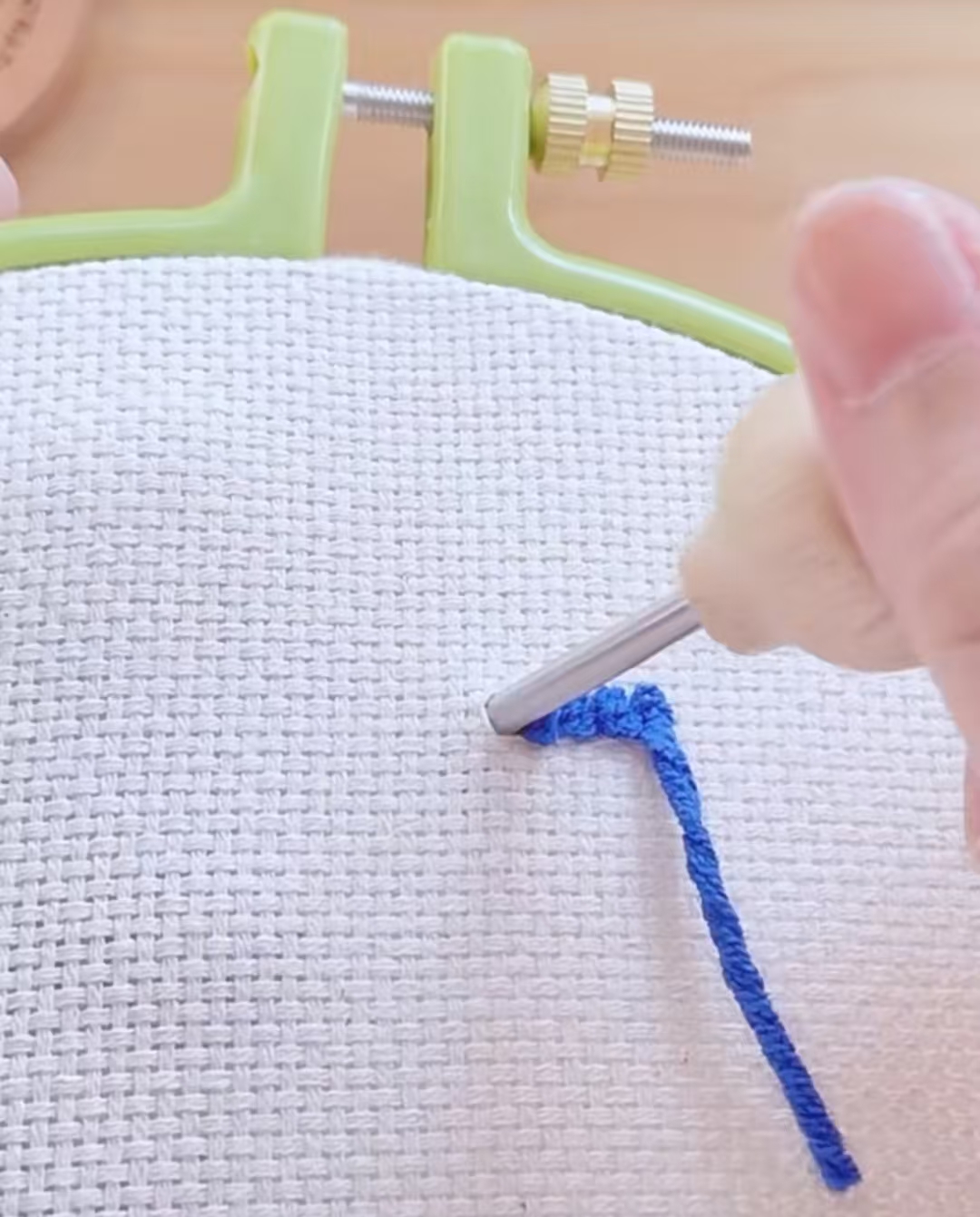
4. Begin Tufting
Take your tufting tool, thread it with embroidery thread, and start working from the back of the fabric. Following the lines of the pattern, use the tool to poke small holes in the fabric to form the outline of the design.
5. Fill in the Pattern
Once the outline is complete, begin to fill in the design. You can choose to use a single color thread or use multiple colors to add depth and texture to your pattern.
6. Finishing and Tidying Up
After completing all the tufting work, trim any excess thread. If necessary, add a layer of backing fabric to the back to increase thickness and stability.
Conclusion
Tufting embroidery is an enjoyable and beneficial craft that not only helps you relax but also allows you to create one-of-a-kind art pieces. I hope this blog post has inspired you to try tufting embroidery and assist you in making your first piece. If you're still unsure where to start, visit the Apripex webesit, which offers pattern kits and tutorials that can guide you in creating your own tufting embroidery in a simple and straightforward manner. If you're already a tufting enthusiast, I hope these tips and suggestions have provided you with new inspiration. Now, grab your tools and begin your tufting journey!